

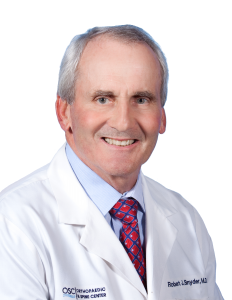
Robert J. Snyder, MD
This year, approximately 700,000 people in America will have a knee replacement surgery. In less than 10 years, this number is expected to grow to over several million as the population in the United States continues to age. Of those vast numbers of patients, some are smokers, past or current. How does smoking impact knee replacement? In this article, I will address what you need to know about the risks you have when undergoing knee replacement surgery while actively smoking and what you can do to mitigate those risks.
Although the number of persons smoking in the United States has dropped dramatically from all time highs in the 1960s, it is estimated that 34 million Americans still smoke cigarettes. This does not account for those who smoke cigars, chew tobacco, dip snuff or use other tobacco products.
Unless you’ve been living on a deserted island your whole life, you’re most likely familiar with the many health risks of tobacco use – lung cancer, emphysema, COPD, heart disease, stroke, diabetes, chronic bronchitis – the list goes on and on. But, what you may not know it that smoking is very detrimental to the health of your bones and your circulatory system and makes it hard to heal from any kind of orthopaedic surgery.
When a person smokes, carbon monoxide enters the blood cells and as a result, less oxygen is carried to the tissues throughout the body. When you have a surgery, your body undergoes a trauma that it must heal from. Not only is your skin cut for the surgical incision, but in the case of a knee replacement, you are having two major leg bones cut in half and implanted with a prosthesis. Your replaced knee needs all the fully oxygenated blood it can get to heal properly. When you smoke, this important part of the healing process is retarded and as a result, healing will take much longer. Bones require a healthy blood supply to grow and remain strong; smoking reduces blood flow and nicotine retards the formation of osteoblasts (bone cells) necessary for new bone growth.
When a patient comes to see me for a consultation about a knee replacement and tells me that they are a smoker, I have a realistic conversation with them about the risks of smoking before and after this procedure. I know that quitting smoking is difficult, but I encourage patients to try, with the help of their PCP, before having surgery. I recommend quitting six weeks before surgery, if at all possible, and staying smoke free after surgery for optimal healing. Even if you can’t manage six weeks, even one or two weeks will be helpful, when it comes to reducing your risks of complications during surgery and afterwards.
If you simply cannot quit smoking and you have tried every available treatment option, you should be well-informed of the risks to you while under anesthesia as well, which can be heart attack, blood clots, pneumonia and even death. Smokers have knee replacements every day, but it is important that they know all of the risks beforehand and that they may take longer to recover than others do. As your Orthopaedic surgeon, I will provide the best care possible and work with you to see that you have a good recovery and a successful outcome whether smoking or not.
Make an appointment with Dr. Snyder or another OSC provider by clicking the “Request Appointment” button below or by calling (757) 596-1900.